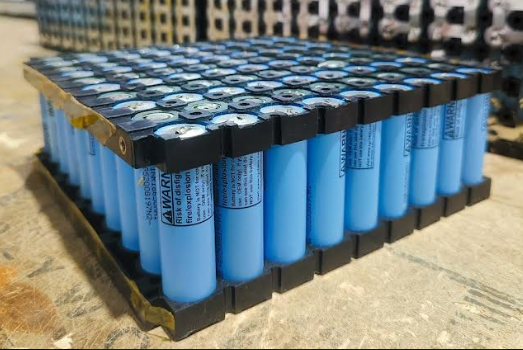
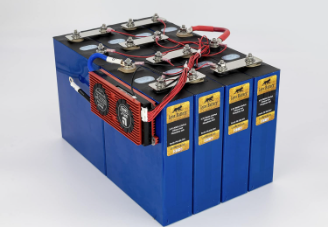
Customized Battery Packs Lithium-ion (Li-ion) Battery Packs Description:Lithium-ion batteries are the most common type used in e-scooters due totheir high energy density, lightweight, and relatively long lifespan.Types:18650 Cells: Cylindrical cells often used for medium-range e-scooters.21700 Cells: Larger cylindrical cells providing higher energy density andimproved performance compared to 18650 cells.26650 Cells: Larger cylindrical cells with higher capacity and durability,suitable for heavy-duty e-scooters.Prismatic Cells: Rectangular-shaped cells used in some battery packs for theirease of packaging and stackingFeatures:High energy density.Lightweight.Fast charging capabilities.Good cycle life (number of charge-discharge cycles).Advantages: Reliable, widely available, and suitable for various e-scooter applications.Disadvantages:Sensitive to overcharging, temperature extremes, and physicaldamage. Lithium Iron Phosphate (LiFePO4) Battery Packs Description: LiFePO4 batteries are a type of lithium-ion battery known for their safety,long cycle life, and stability.Features:High thermal and chemical stability.Longer cycle life compared to standard Li-ion batteries.Safer chemistry with lower risk of thermal runaway.Advantages:Enhanced safety, longer lifespan, and better performance in extreme temperaturesDisadvantages:Lower energy density compared to standard Li-ion batteries, resulting in larger and heavier packs for the same capacity. Lead-acid Battery Packs Description: NiMH batteries offer a balance between cost, energy density, andenvironmental impact compared to lead-acid and lithium-ion batteries.Features:Moderate energy density.Longer cycle life than lead-acid batteries.Safer chemistry compared to older nickel-cadmium (NiCd) batteries.Advantages:Lower cost than lithium-ion batteries, environmentally friendly.Disadvantages:Higher self-discharge rate, lower energy density compared to lithium-ion batteries.